Key Component in Modern Emission Control
The Diesel Particulate Filter (DPF) has become an essential element in modern diesel engines, designed to support emissions control. Its primary function is to capture solid particles generated during combustion—mainly soot—helping reduce their release into the atmosphere.
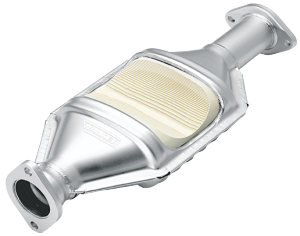
Constructed from a ceramic honeycomb monolith, the DPF consists of a network of channels alternately sealed at each end. This design directs exhaust gases through porous walls, where particulate matter is captured.
Unlike a conventional filter, the DPF is an active component. It is engineered to regenerate itself through a process known as regeneration. Under specific engine load and temperature conditions, the accumulated soot generally is oxidized and converted into carbon dioxide (CO₂), helping to restore the filter’s flow capacity and support effective performance.
WHEN EFFICIENCY BECOMES A LIMITATION
A blocked DPF is often misunderstood as a component failure. In reality, it can indicate that the filter is successfully performing its function. The issue arises when the regeneration process fails to occur or is incomplete.
Two types of residues accumulate inside the filter:
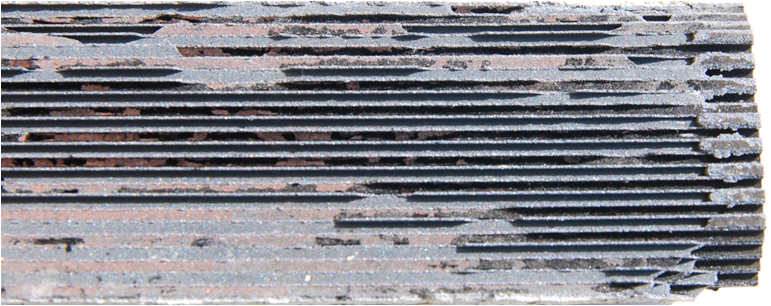
Soot (carbon particles):
Combustible and typically reduced through regeneration
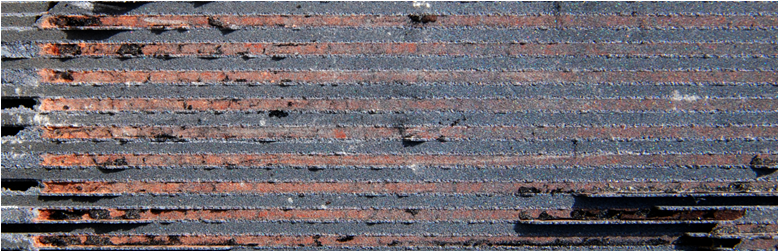
Ash (inorganic particles):
Derived from oil additives, fuel composition, and internal engine wear.
While soot can largely be reduced, ash cannot. These inorganic residues progressively accumulate within the filter structure, reducing its capacity and contributing to increased exhaust backpressure.
DIAGNOSIS BEFORE INTERVENTION
Before considering any form of cleaning, it is crucial to identify the root cause of the problem. In most cases, the DPF itself may not be at fault. Typical causes of regeneration failure include:
- Faulty sensors (differential pressure, temperature, lambda)
- Predominantly urban driving conditions
- Fuel injection system irregularities
- Malfunctioning EGR valve
Correcting these issues can often support system recovery, either through a forced regeneration in the workshop or under appropriate driving conditions.
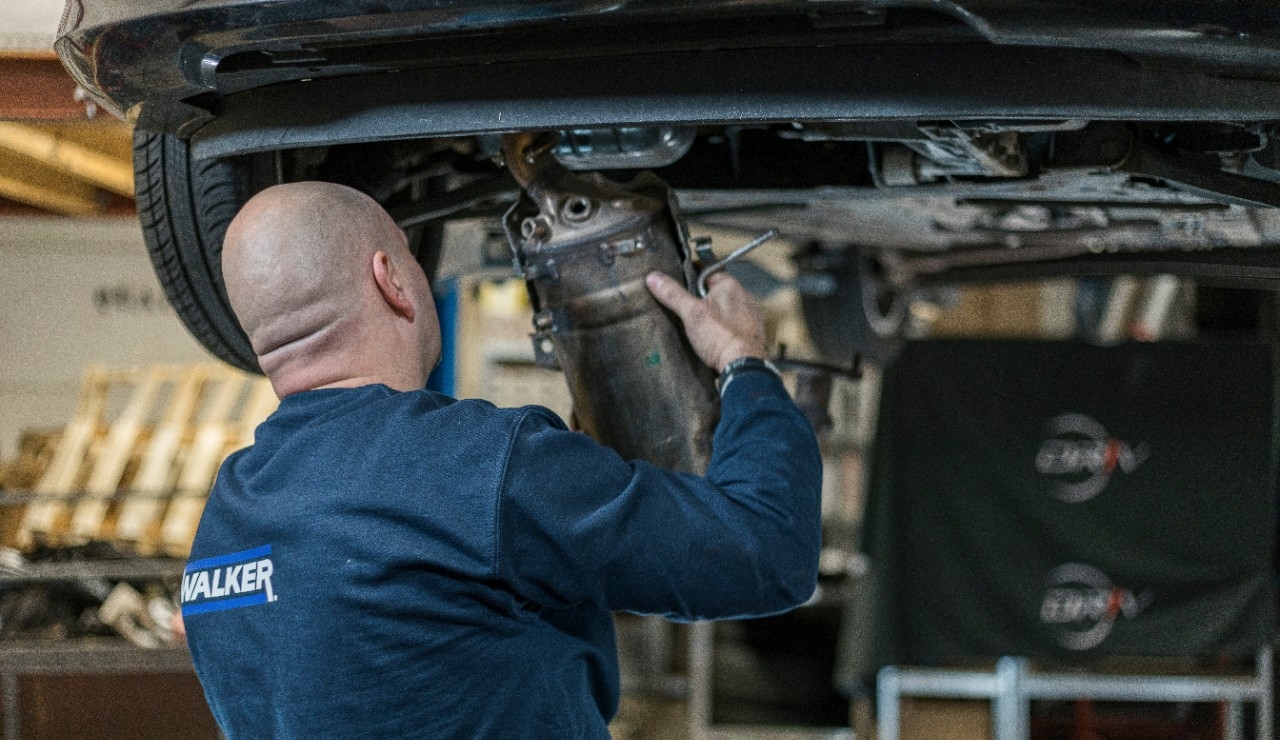
DPF CLEANING METHODS: A TECHNICAL PERSPECTIVE
THERMAL CLEANING:
This process uses high-temperature ovens combined with airflow to burn off soot deposits.
While partially effective against carbon buildup, it does not remove ash. As a result, the filter is unlikely to return to its original condition, and backpressure issues may remain.
HIGH-PRESSURE WATER CLEANING:
Pressurized water is used to flush out deposits from the filter.
However, ash is insoluble and extremely hard, limiting the ineffectiveness of this approach in cases of severe blockages. Also, there may be a significant risk of damaging the ceramic structure or catalytic coatings.

CHEMICAL TREATMENTS:
These include fuel additives or direct chemical applications to the filter.
Although they may assist in soot combustion, chemical solutions are generally not effective at dissolving safely metallic or phosphorus-based residues. In some cases, excessive heat generated during their use may even damage the internal structure of the filter.

ULTRASONIC CLEANING:
This method uses vibration to dislodge particles. Its effectiveness is only partial, as residual deposits may remain, reducing the likelihood of the full restoration of filter performance.
WHY CLEANING IS NOT A LONG TERM SOLUTION

PERFORMANCE IS NOT FULLY RESTORED
A cleaned DPF is unlikely to achieve the same backpressure levels as a new unit, which can contribute to reduced engine efficiency, power loss, and increased fuel consumption.

IRREVERSIBLE ASH ACUMULATION
Inorganic residues generally cannot be removed without affecting the filter’s structure, leading to a gradual and lasting reduction in performance.

INCREASED MECHANICAL STRESS
Higher backpressure can place additional strain on the engine, potentially raising oil temperatures and increasing the risk of damage to surrounding components.

MORE FREQUENT REGENERATION CYCLES
Partially obstructed filters may saturate more quickly, leading to more frequent regeneration events and potentially accelerating overall wear.
INCORRECT PRACTICES AND THEIR RISKS
More aggressive approaches—such as removing or drilling the DPF—are still encountered in some cases. These practices:
- Are prohibited across Europe
- Significantly increase pollutant emissions
- Disrupt engine calibration and backpressure balance
- May lead to sensor failures and mechanical damage
Furthermore, altering exhaust backpressure affect valve timing overlap, potentially causing inefficient combustion and internal engine damage.
TECHNICAL RECOMMENDATION
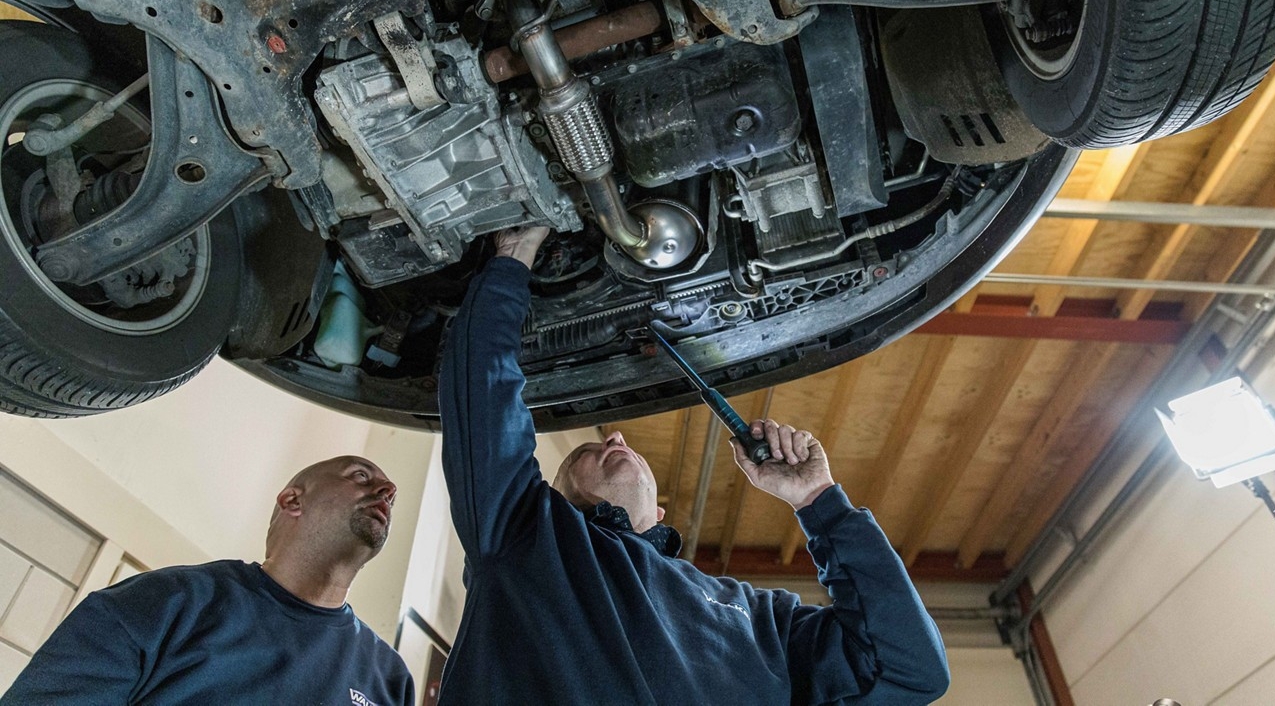
From a professional and reliability-focused perspective, a recommended approach to a blocked DPF is:
1. Identify and resolve the root cause of regeneration failure
2. Carry out a forced regeneration if conditions allow
3. Replace the filter with a certified (homologated) new unit if ash saturation is confirmed after forced regeneration.
External cleaning, while sometimes perceived as a cost-saving solution, may not provide long-term reliability and may only provide a temporary improvement without addressing the underlying cause.
CONCLUSIONS
The DPF is a highly engineered component designed to operate autonomously under normal conditions. When blockage occurs, it is often not an isolated issue but a symptom of a broader system malfunction.
Current cleaning methods present significant technical limitations, particularly in addressing inorganic ash accumulation. For this reason, professional best practice generally does not regard DPF cleaning a viable long-term solution.
Accurate diagnosis and appropriate corrective action remain essential to support vehicle performance, durability, and ongoing compliance with emission standards.
